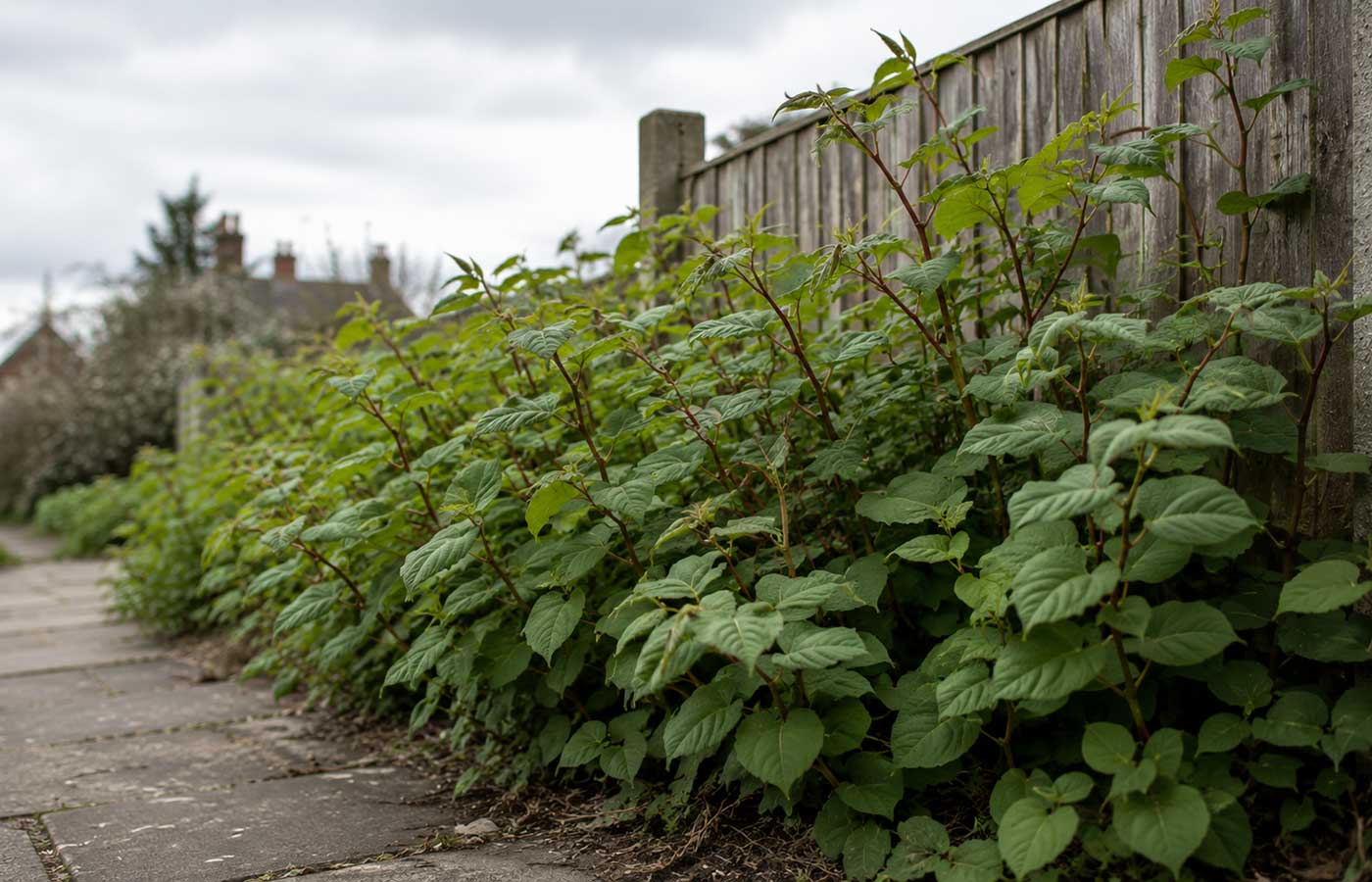
Why photographs are often useful
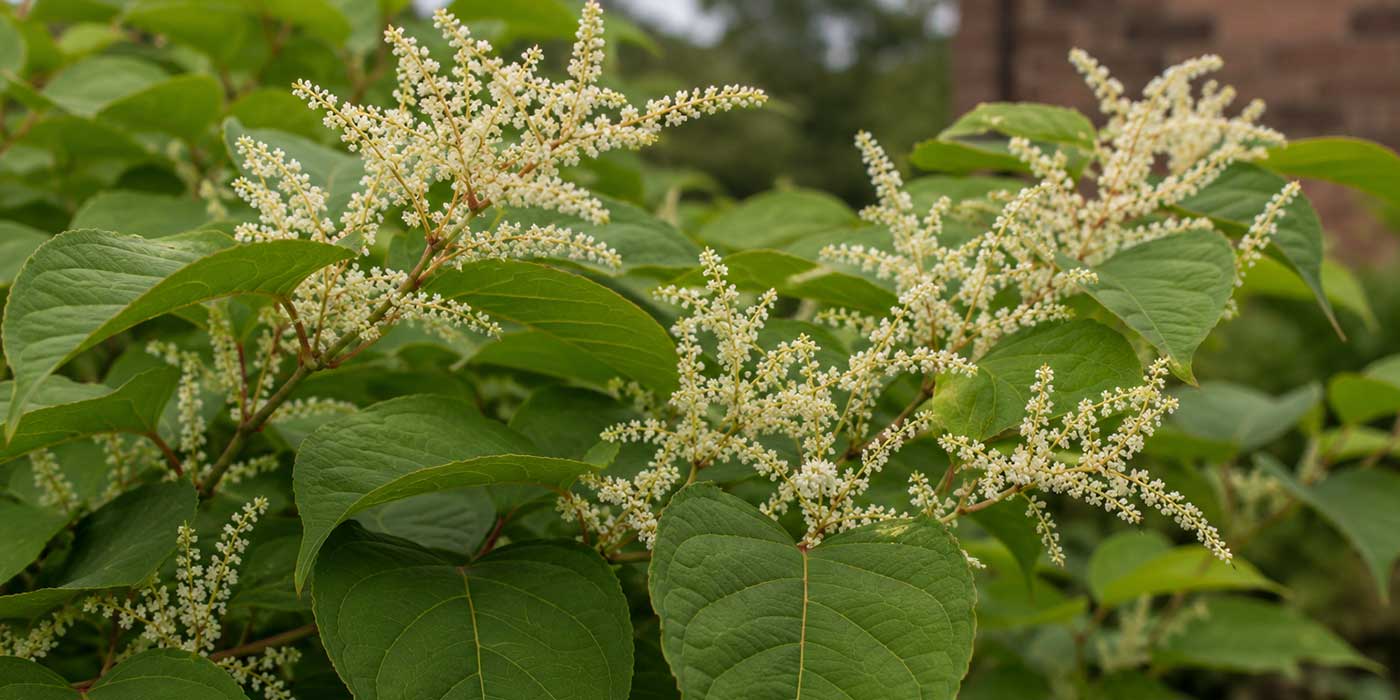
Japanese knotweed changes appearance throughout the year, which can make identification difficult from memory alone. Photographs allow people to compare leaves, stems, shoots and growth patterns more carefully.
In many situations, a clear image of the whole plant is more useful than a close-up of a single leaf.
Photographs can also help separate knotweed from other fast-growing UK plants that are commonly mistaken for it.
What knotweed often looks like in spring
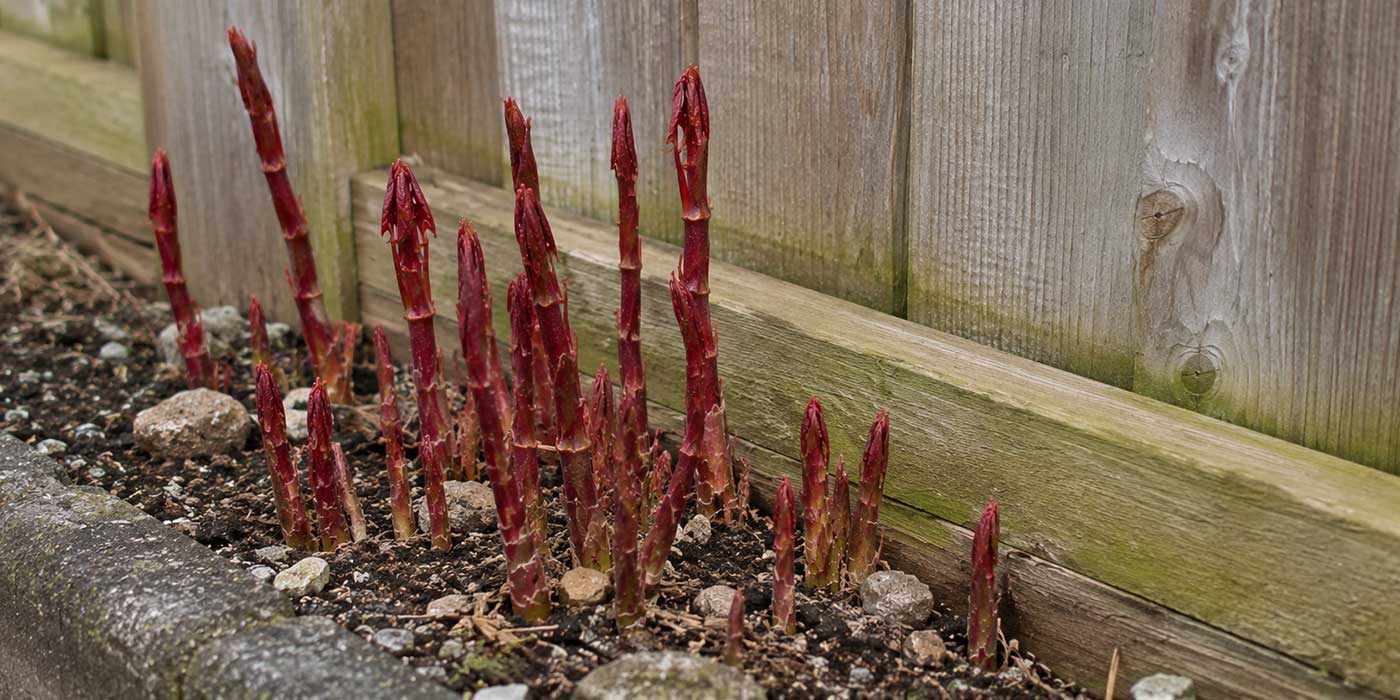
One of the most recognisable stages of growth appears during spring.
New shoots commonly emerge from the ground in clusters and are often reddish or purple in colour. These shoots may resemble asparagus tips or thick red stems pushing through gravel, soil or cracks beside paving.
At this stage, many people first begin searching online photographs because the growth appears unusual compared with nearby plants.
Summer photographs often show dense growth
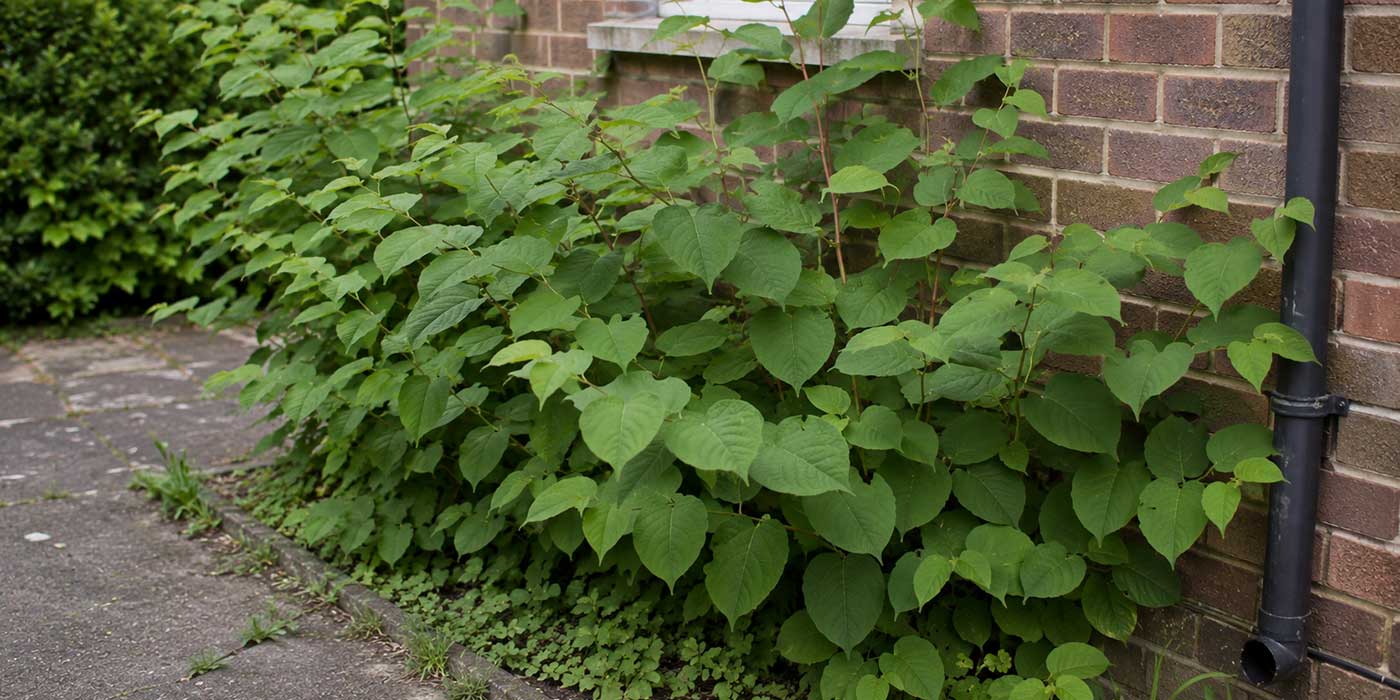
During summer, Japanese knotweed can become tall and dense very quickly.
Photographs at this stage often show:
- Tall cane-like stems
- Large areas of thick growth
- Broad green leaves
- Dense patches near fences and buildings
- Plants growing in tight clusters
Mature stems frequently develop purple speckling, which is one reason why some people compare the plant to bamboo.
Winter photographs can look very different
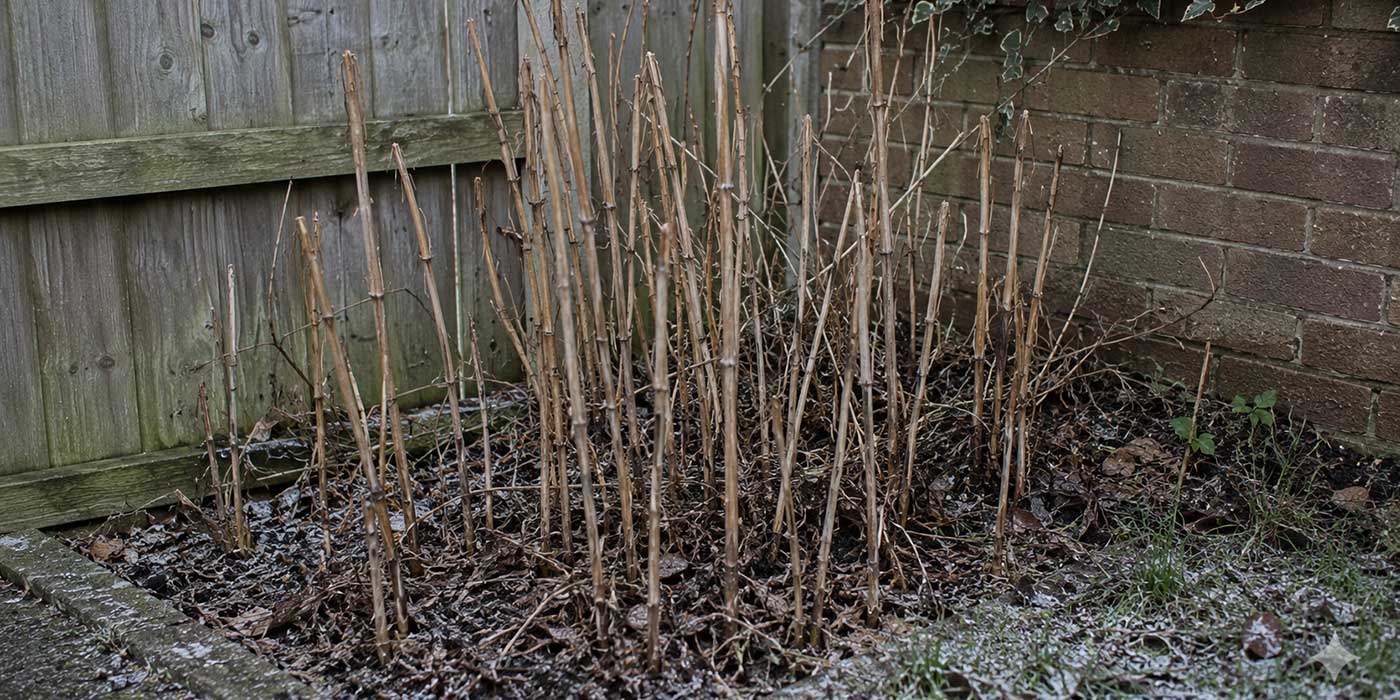
Many people become confused after comparing winter photographs with summer images.
By winter, most of the green growth has died back. Dry hollow canes often remain standing above ground level and may appear brittle or straw coloured.
Without leaves, knotweed can sometimes look less distinctive, which is why photographs from multiple seasons are often useful.
Photographs that usually help most
When trying to compare a suspicious plant with online knotweed photographs, it often helps to look at:
- The whole plant from a distance
- The shape and arrangement of leaves
- Stem colour and texture
- New shoots emerging from the ground
- The surrounding location
- How dense the growth appears
A single close-up image rarely tells the full story on its own.
Why some photographs can be misleading
Many online images only show one part of the plant.
For example, a close-up of red shoots may resemble several ordinary UK garden plants during spring. Likewise, mature stems photographed from a distance can easily be mistaken for bamboo.
Lighting, camera angle and seasonal growth stage can all change the appearance significantly.
Plants commonly mistaken for knotweed in photographs
Several UK plants are regularly confused with Japanese knotweed in online images.
Common examples include:
- Bamboo
- Bindweed
- Russian vine
- Dogwood shoots
- Himalayan balsam
- Lilac shoots
This is why it often helps to compare several features together rather than relying on one photograph alone.
Photographs near buildings often cause concern
Many property owners become particularly worried when suspicious growth appears near walls, drains, paving or outbuildings.
Although photographs alone cannot confirm whether structural problems exist, images showing the surrounding area can help provide better context when assessing a plant.
Related pages
Think it could be knotweed?
A photograph can often help identify whether a plant shows signs commonly associated with Japanese knotweed.